
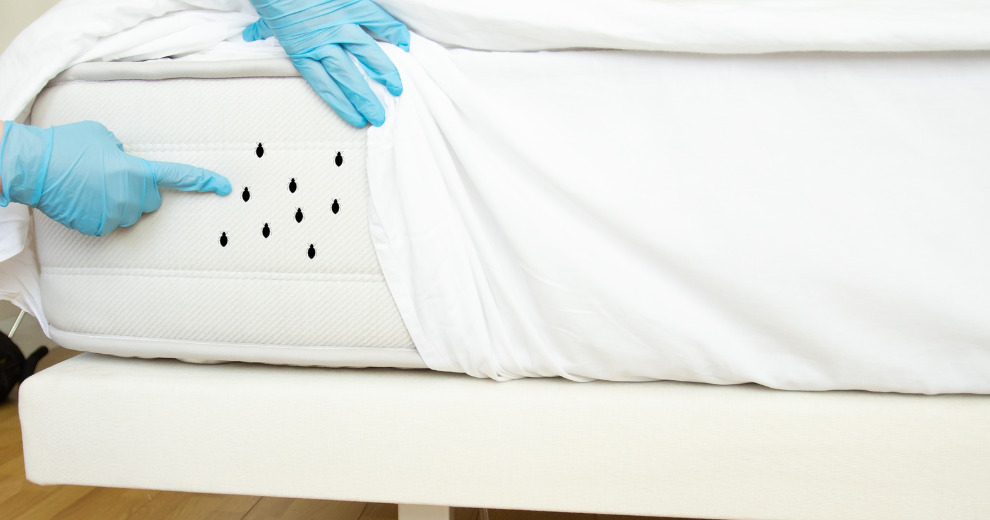
Bed bugs are small, parasitic insects that feed on the blood of humans and animals, typically at night. These pests are reddish-brown in color and are most commonly found hiding in mattress seams, bed frames, and furniture. Although they don’t transmit diseases, their bites can lead to itching and discomfort, making them a nuisance for homeowners. Their ability to reproduce quickly and hide in small, hidden areas makes them particularly difficult to eliminate.
At Bright Street Facilities Management, we understand how troubling a bed bug infestation can be. Our team of professionals is equipped with the latest techniques and treatments to safely and effectively eliminate bed bugs from your home. Whether you’re dealing with an early infestation or a more severe case, we offer comprehensive solutions to ensure your home remains free from these persistent pests.
Understanding Bed Bugs
Bed bugs are small, reddish-brown insects that feed on the blood of humans and animals, primarily at night. They are often found in cracks and crevices around the bed, such as in mattress seams, box springs, bed frames, and headboards, but they can also hide in other areas like furniture, behind wallpaper, and in electrical outlets. Bed bugs are elusive and difficult to detect, as they tend to come out when their host is sleeping. Although they don’t transmit diseases, their bites can cause itching, skin irritation, and discomfort. Their ability to reproduce quickly and hide in tight spaces makes them challenging to eliminate once an infestation occurs.
Step‑by‑step Guide To Permanent Bed Bug Removal
1. Confirm the Infestation
The first step in addressing a bed bug infestation is confirming its presence. Look for live bed bugs, which are small, reddish-brown, and can be found in crevices or cracks in mattresses, furniture, and even walls. Bed bugs shed their skins during development, and these can often be found in hiding spots. Tiny white eggs and dark stains from fecal matter on sheets or mattress seams are also telltale signs. Use a flashlight to thoroughly inspect seams, bed frames, and headboards. If you’re unsure, consult a pest control company for a professional inspection.
2. Declutter and Isolate
Reducing clutter is crucial in managing a bed bug infestation. Bed bugs thrive in areas with many hiding spots. Bag up clothes, books, and other items near the bed, and store them outside the infested room. Be sure not to move items to other parts of the house, as this may spread the infestation. By decluttering, you eliminate potential bed bug hideouts, making it easier to clean and treat affected areas. Isolating the infested room by sealing off doors or cracks also limits the movement of bed bugs to other rooms in your home.
3. Launder Bedding and Clothes
Laundering all bedding and clothes is an essential step in eradicating bed bugs. Wash sheets, pillowcases, blankets, and clothing in hot water at least 60 °C. Bed bugs, along with their eggs, are killed by the high temperatures. After washing, dry these items on high heat for at least 30 minutes, as this will ensure that any remaining bed bugs or eggs are exterminated. If possible, use dissolvable laundry bags or tightly sealed plastic bags when transporting the items to prevent accidental spread. Regular washing helps to stop the infestation from continuing or worsening.
4. Vacuum Thoroughly
Vacuuming is an effective and important method of removing bed bugs from your home. Use a vacuum cleaner with a crevice tool to target hard-to-reach areas like mattress seams, box springs, bed frames, headboards, baseboards, and furniture seams. Bed bugs often hide in cracks and crevices, so thorough vacuuming can help eliminate them. Once you’ve finished, immediately place the vacuum bag in a sealed plastic bag and dispose of it outside the home. Vacuuming should be done regularly and daily, if possible, until the infestation is under control and no more bugs are detected.
5. Steam Treatment
Steam treatment is one of the most effective ways to kill bed bugs without the use of chemicals. Bed bugs and their eggs die when exposed to temperatures above 50 °C. Using a steam cleaner with a low-vapor setting, treat mattresses, upholstered furniture, cracks in walls, and any other areas where bed bugs are hiding. Move the steam cleaner slowly to ensure that heat penetrates deep into the fabric and cracks. Be sure to allow surfaces to dry completely after steaming, as wet areas can provide a breeding ground for other pests if left untreated.
6. Install Bed Bug Interceptors
Bed bug interceptors are a helpful tool to monitor and prevent bed bugs from climbing back into your bed or furniture. These devices are placed under the legs of beds and other furniture to trap bed bugs as they attempt to climb. The interceptors act as a barrier, providing a physical trap that captures the insects as they move. They are an excellent way to monitor the progress of your bed bug removal efforts and ensure that the infestation is not returning. Bed bug interceptors are easy to install and can be left in place for long periods.
7. Encase Mattresses and Pillows
Enclosing your mattress and pillows in bed bug-proof encasements is essential for preventing the infestation from worsening. These zippered covers trap any existing bed bugs inside and prevent new ones from entering. Be sure to purchase encasements that are specifically designed for bed bug protection, as these will have a tighter weave and secure zippers. It is recommended to keep these covers on for at least a year, as bed bugs can survive for months without feeding. Regularly check the encasements to ensure there are no holes or signs of new activity.
8. Use Desiccant Dust or Cryonite
Desiccant dust, such as diatomaceous earth or silica gel, is a non-toxic option for killing bed bugs by drying them out. Apply these powders to cracks, bed frames, and baseboards where bed bugs may be hiding. These substances damage the protective coating on the bed bugs’ bodies, causing them to dry out and die. Another option is Cryonite, a carbon dioxide-based treatment that freezes and kills bed bugs instantly. Cryonite is a popular non-chemical treatment used by professional pest control companies. Both desiccants and Cryonite are effective tools in the battle against bed bugs.
9. Seal Cracks and Crevices
Sealing up cracks and crevices in your home is vital to eliminate potential hiding spots for bed bugs. Use caulk to fill gaps in baseboards, bed frames, wall plates, and furniture joints. This step prevents bed bugs from seeking refuge in these hard-to-reach areas and stops them from spreading further. Cracks in walls, floors, or furniture provide ideal hiding spots, making it easier for bed bugs to escape detection and treatment. By sealing these areas, you make your home less hospitable to bed bugs and more difficult for them to spread.
10. Monitor and Repeat
Even after following all the steps to remove bed bugs, continuous monitoring is key to ensure the infestation is fully eradicated. Regularly check your bed bug interceptors to track any new activity. Continue vacuuming and applying steam or desiccant dust every two weeks until no bed bugs are detected. Be persistent in monitoring your home, and repeat treatments as necessary to ensure the problem does not return. Bed bugs can be resilient, and it may take a couple of months to ensure that the infestation is completely gone. Patience and thorough monitoring are crucial to success.
When to Call Professional Pest Control
Some infestations require expert help – especially if:
- Bed bugs are in multiple rooms
- You’ve tried DIY solutions without success
- Infestations return repeatedly
A professional pest control team has access to advanced treatments like heat chambers, fumigation, and specialized insecticides not available to the public. They will inspect your home, create a customized treatment plan, and guarantee results.
Preventing Re‑infestation
- Inspect second‑hand furniture before bringing it home. Avoid used mattresses or couches.
- Protect your luggage while travelling: Keep suitcases off the floor, use luggage racks and inspect hotel beds. After returning home, wash clothes immediately and vacuum luggage.
- Declutter and clean regularly: Bed bugs thrive in clutter. Regular vacuuming and reducing hiding spots make it easier to spot them early.
- Seal cracks and repair peeling wallpaper: Eliminate potential hideouts.
Conclusion
Eliminating bed bugs permanently requires persistence and a combination of heat, steam, vacuuming and interceptors. Follow the step‑by‑step process outlined above and monitor your progress. If the infestation persists or spreads, bring in professional help. At Bright Street Facilities Management, we offer bed bug inspection and treatment services across the UAE, providing safe and effective solutions so you can sleep peacefully again.
If bed bugs are ruining your sleep, Bright Street Facilities Management can help. Our pest control experts use integrated methods – heat, steam, cryonite and safe insecticides – to eliminate bed bugs and prevent re‑infestation. Contact us todayfor a thorough inspection and treatment plan.
FAQs
Question: Do Bed Bugs Spread Disease?
Answer: There is no evidence that bed bugs transmit diseases, but their bites can cause itching and allergic reactions.
Question: Can Essential Oils Kill Bed Bugs?
Answer: Essential oils may repel bed bugs but are not proven to eliminate infestations. Use heat, steam and vacuuming instead.
Question: How Long Can Bed Bugs Live Without Feeding?
Answer: Bed bugs can survive for several months without feeding. That’s why encasements must remain on mattresses for at least a year.
Question: Are Diy Treatments Enough?
Answer: For small infestations caught early, DIY methods may work. For larger infestations or multi‑unit buildings, professional treatment is recommended.
Question: How Can I Prevent Bed Bugs After Travel?
Answer: Vacuum luggage, wash clothes on high heat and inspect items before unpacking.